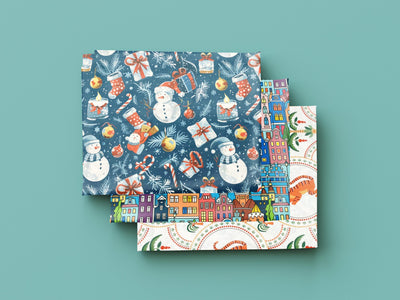
Choosing between plain fabrics and printed fabrics is one of the most common decisions when planning a sewing project. Both options offer unique benefits, and the right choice often depends on how the fabric will be used rather than personal preference alone.
Understanding the differences helps you create projects that look intentional, practical, and wearable.
What Plain Fabrics Offer
Plain fabrics are fabrics with a single colour and no pattern. They are popular because of their versatility and timeless appeal.
Plain fabrics work well for everyday clothing, minimalist designs, and projects where shape and structure are the main focus. They are also easier to style and less likely to feel dated over time.
What Printed Fabrics Offer
Printed fabrics feature patterns, designs, or motifs. They add visual interest and personality to a project.
Printed fabrics are often used to make statement pieces, decorative items, or garments where the fabric itself is the focal point. They allow for creativity and individuality.
Plain Fabrics for Everyday Wear
Plain fabrics are commonly chosen for everyday garments such as tops, dresses, trousers, and loungewear. Their simplicity makes them easy to combine with other items.
Because they do not draw attention away from the design, plain fabrics suit structured and fitted garments particularly well.
Printed Fabrics for Creative Projects
Printed fabrics are ideal for creative and decorative projects. They work well for dresses, accessories, home décor, and craft items where pattern adds character.
Prints can bring life to simple designs and are often used to make garments feel unique.
Mixing Plain and Printed Fabrics
Many projects benefit from combining plain and printed fabrics. Using plain fabric alongside a print helps balance the overall look and prevents designs from feeling overwhelming.
This approach works well for clothing details such as sleeves, collars, linings, or panels.
Sewing Considerations for Plain vs Printed Fabrics
Plain fabrics highlight construction quality, as stitching and fit are more visible. Careful sewing is important to achieve a clean finish.
Printed fabrics can disguise small imperfections, but pattern matching may require extra attention during cutting and sewing.
Choosing Based on Project Type
The intended use of the finished item should guide your choice. Plain fabrics suit practical and long-term use, while printed fabrics are better for standout pieces and seasonal projects.
Thinking about wear frequency helps avoid choosing fabric that does not get used.
Style Longevity and Versatility
Plain fabrics often offer greater longevity. They are less affected by trends and can be worn or used repeatedly without feeling outdated.
Printed fabrics can reflect trends and personal taste. While they may not always be timeless, they bring variety and excitement to sewing projects.
Budget and Fabric Choice
Plain fabrics are often easier to repurpose across multiple projects. Printed fabrics may be more specific in use but offer strong visual impact.
Balancing both in your fabric collection allows for flexibility and creativity.
When Plain Fabrics Are the Better Choice
Plain fabrics are ideal when you want the focus on fit, shape, or comfort. They work well for staple garments and functional projects.
They are also a safe choice when you want fabric that will remain useful long-term.
When Printed Fabrics Are the Better Choice
Printed fabrics are the better choice when you want to add personality or make a statement. They suit designs where pattern enhances the overall look.
They are perfect for special pieces, seasonal sewing, and creative expression.
Final Thoughts on Plain vs Printed Fabrics
Both plain fabrics and printed fabrics have their place. Choosing between them depends on the project, style goals, and how often the finished item will be used.
Understanding when to use each helps create balanced, wearable, and visually appealing projects.