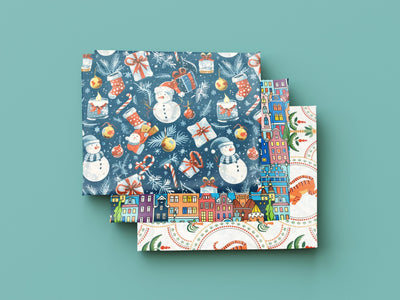
Polycotton is a blended fabric made from polyester and cotton fibres spun together, commonly in ratios such as 65/35, 50/50 or 80/20. It combines cotton's softness and breathability with polyester's strength, crease resistance and lower cost. That mix makes it one of the most practical everyday fabrics for bedding, uniforms, workwear and dressmaking.

In this guide
- What polycotton is and what it is made from
- What it is used for and what you can make with it
- What it feels like, its properties, advantages and disadvantages
- Whether polycotton is good or bad, and whether it is good for skin
- The different types
- Polycotton vs cotton vs "cotton blend"
- How to wash, dry, iron and sew it
- Eco-friendliness
- Frequently asked questions
What is Polycotton Fabric?
Polycotton fabric is a lightweight material that is simply a blend of polyester and cotton. It is generally a cheaper alternative to cotton which comes in a variety of prints and colours. Thanks to the breathability of its cotton content and the durability of its polyester, it's used in a variety of clothing and upholstery work.
What is polycotton made from? Common blend ratios
Polycotton is made from two fibres: cotton, a natural plant fibre, and polyester, a synthetic fibre made from petroleum-based materials. In most polycotton, short lengths of each fibre (called staple fibres) are blended together before spinning, so every yarn contains both. Less often, the fabric is woven from separate cotton and polyester yarns.
The ratio of polyester to cotton changes how the fabric behaves. More polyester means a stronger, quicker-drying fabric that creases less. More cotton means a softer, more breathable fabric that feels closer to pure cotton. These are the blends you will see most often:
| Blend | How it behaves | Typical uses |
|---|---|---|
| 50/50 polyester/cotton | Balanced. Soft enough for clothing but still easy-care and crease-resistant | T-shirts, bedding, dressmaking polycotton |
| 65/35 polyester/cotton | More durable, quicker drying and more crease-resistant | Workwear, uniforms, scrubs, tablecloths |
| 80/20 cotton/polyester or similar (sometimes called CVC or "cotton-rich") | Softer and more breathable, with a little added strength from the polyester | Shirts, bedding |
Ratios vary between fabrics and suppliers, so always check the listing if the exact blend matters for your project.
What is Polycotton Used For?
Due to its lightweight, breathable and extremely durable properties, it is a popular choice for a number of different products. You will find it in bedding such as sheets, duvet covers and pillowcases, school uniforms, workwear, medical scrubs, shirts and aprons. It is also widely used for table linen, bunting and general craft projects, where an inexpensive, colourfast fabric that washes well is exactly what is needed.
What Can I Make With Polycotton Fabric?
Polycotton is a popular fabric that is used in a variety of sewing projects. This includes:
- Clothing
- Workwear and overalls
- Undergarments
- Bedsheets
- Pillowcases
- Tablecloths
- Napkins
Plus many more
What Does Polycotton Feel Like?
Polycotton holds a soft yet crisp feel that is comfortable and lightweight. It is suitable for most weather, making it a great choice for everyday clothing fabric.
Properties of Polycotton: Characteristics, Advantages and Disadvantages
Polycotton is known for its durability, breathability and crease-resistant properties, and it is reasonably absorbent thanks to its cotton content. It is an easy fabric to work with and suits not only dressmaking but upholstery projects too.
Is polycotton a good material? Take a look at the advantages and disadvantages of polycotton fabric:
| Advantages | Disadvantages |
|---|---|
| Affordable | It's not biodegradable |
| Breathable | Over time it can pill |
| Crease-resistant | Less absorbent than pure cotton |
| Highly durable | Not as soft as other fabrics |
| Quick drying | Less breathable than pure cotton |
| Easy to care for | Can be damaged by a hot iron |
| Versatile | Hard to recycle |
Is polycotton good or bad?
Polycotton is neither good nor bad on its own. It is good at some jobs and less suited to others, and the blend ratio makes a real difference.
It is a good choice for everyday items that are washed often, need to resist creasing and shrinkage, and should not cost much. That covers bedding, school uniforms, workwear, scrubs, aprons, bunting, and practice garments or toiles where you want to test a pattern before cutting into more expensive fabric. If you are making school dresses, shirts or pinafores, our school uniform fabrics are a sensible place to start.
It is less suited to projects where maximum breathability, softness or biodegradability matter most. Hot-weather clothing, garments for very sensitive skin, and quilts where you want pure cotton to shrink, press and age predictably are usually better made in 100% cotton.
Polycotton can also pill with wear, especially where it rubs, such as under the arms or on bedding. Washing items inside out and avoiding very long, hot tumble cycles helps.
Is polycotton breathable and good for skin?
Yes, polycotton is breathable, though less so than 100% cotton because polyester does not absorb moisture in the same way. The higher the cotton content, the better it breathes, so a cotton-rich blend will feel cooler than a 65/35 polyester-rich one. Most people find polycotton comfortable to wear and sleep on. People with sensitive skin or eczema often prefer pure cotton next to the skin, so if that applies to you or the person you are sewing for, choose 100% cotton for anything worn close to the body.
Types of Polycotton:
At Poundametre we stock a variety of polycotton, including:
What Is The Difference Between Polycotton And Cotton?
At a more affordable price, polycotton blend combines the strength of both synthetic and cotton fibres in ratios that vary. Whilst cotton has a softer feel, polyester brings added durability to the fabric, meaning polycotton creases less and has a crisp texture.
Shop our range of cotton fabrics
Polycotton vs cotton vs "cotton blend"
Here is how polycotton and 100% cotton compare at a glance:
| Feature | Polycotton | 100% cotton |
|---|---|---|
| Feel | Soft but slightly crisp and smooth | Soft, natural feel that softens further with washing |
| Breathability | Good, better with higher cotton content | Very good |
| Creasing | Creases less | Creases more easily |
| Shrinkage | Shrinks less | More likely to shrink, especially on a first hot wash |
| Durability | Very durable, but can pill | Durable, but can wear thin with heavy use |
| Drying time | Dries faster | Dries more slowly |
| Ironing heat | Medium | Hot |
| Typical price | Usually cheaper | Usually more expensive |
Polycotton is not the same as cotton. "Cotton blend" is a broader term that means cotton mixed with any other fibre, such as polyester, viscose, linen or elastane. "Polycotton" specifically means cotton plus polyester. So all polycotton is a cotton blend, but not every cotton blend is polycotton. Read the fibre content on the listing to know exactly what you are buying. For a deeper side-by-side look, see our full cotton vs poly cotton comparison.
How to wash, dry and iron polycotton
- Washing: polycotton is usually machine washable at 30 to 40°C. Always check the label or listing first.
- Pre-washing: it shrinks less than pure cotton, but pre-washing before you cut is still sensible, particularly for fitted items. Our guide on why some fabrics shrink explains what happens.
- Drying: line dry, or tumble dry on a low setting. It dries faster than cotton.
- Creasing: take items out of the machine or dryer promptly and shake them out to limit creasing.
- Ironing: use a medium (two-dot) setting. High heat can damage the polyester content and leave shiny marks, so test on a scrap first.
Sewing with polycotton
Polycotton is one of the easiest fabrics for beginners. It is stable, does not fray badly and presses reasonably well, so seams and hems behave.
- Needle: a universal 80/12 needle suits most dressmaking and sheeting weights.
- Thread: polyester all-purpose thread is a good match.
- Pressing: use a medium iron. Polycotton does not hold a crisp press quite like cotton, so press seams firmly and use a pressing cloth for sharp creases.
As a typical guide to how much you will need (always check your pattern):
- Pillowcase: about 0.75m.
- Single duvet cover: about 4 to 4.5m of 150cm-wide fabric, or less if you use extra-wide sheeting fabric.
- Child's school-style dress: about 1 to 1.5m.
- Scrub top: about 1.5 to 2m. Browse our fabric for scrubs for suitable plains.
As an indicative example, at £2 a metre, 1.5m for a scrub top is £3, and 4.5m for a duvet cover is £9. Prices vary by range, so check the listing.
Is Polycotton Eco-Friendly?
Although polycotton is not deemed eco-friendly, there are ways in which you can still use polycotton fabric as a sustainable choice. The polyester part is not biodegradable, and blends are hard to recycle because the two fibres are difficult to separate. The most practical approach is to make polycotton items that last, wear them for a long time, and use your offcuts for bunting, patchwork or pattern testing. Where it matters, choose a higher-cotton blend. Recycle old fabrics to produce new designs. If you are after a new colour you could invest in some fabric dye and achieve your desired look. For more ideas, read our guide to more sustainable fabric choices.
Frequently asked questions
Is polycotton the same as cotton?
No. Polycotton is a blend of polyester and cotton, while cotton fabric is made only from cotton fibres. Polycotton creases and shrinks less, dries faster and usually costs less. Pure cotton is softer, more breathable and more absorbent. Check the fibre content on the listing, as some polycottons are cotton-rich and feel closer to cotton than others.
Does polycotton shrink?
Polycotton shrinks less than pure cotton because the polyester fibres are stable, but some shrinkage is still possible, especially in higher-cotton blends or on a hot wash. Pre-wash the fabric before cutting, wash at 30 to 40°C and avoid hot tumble drying to keep shrinkage to a minimum.
Is polycotton good for bedding?
Yes, polycotton is one of the most common bedding fabrics. It is durable, quick drying, creases less than cotton and is usually cheaper, which suits sheets, pillowcases and duvet covers that are washed often. If you want the softest, most breathable bedding or are sewing for sensitive skin, 100% cotton is the better choice.
Is polycotton good for skin?
Most people find polycotton comfortable to wear and sleep on. If you are sewing nightwear or underwear for someone with sensitive skin or eczema, 100% cotton is the safer choice, as it is softer and more breathable.
What is the difference between polycotton and a cotton blend?
"Cotton blend" is a general term for cotton mixed with any other fibre, such as polyester, viscose, linen or elastane. Polycotton is one specific type of cotton blend: cotton mixed with polyester. A cotton and elastane blend stretches, and a cotton and linen blend has a slubby texture, so always check which fibre is in the mix.
Can you iron polycotton?
Yes. Iron polycotton on a medium (two-dot) setting rather than the hot setting used for pure cotton, because high heat can damage the polyester content and leave a shine. Iron while the fabric is slightly damp for the best results, and use a pressing cloth on darker colours or when pressing sharp creases.
Ready to start? Browse the polycotton fabric range linked at the top of this guide, check the blend and width on each listing, and buy a little extra to allow for pre-washing.