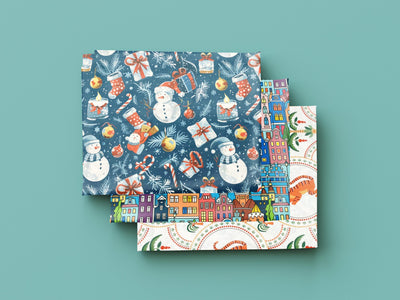
Upholstery fabric plays a major role in how furniture looks, feels, and performs over time. Choosing the wrong upholstery fabric can lead to fading, wear, or discomfort, especially in homes where furniture is used daily. Understanding what makes upholstery fabric suitable for everyday living helps you make better long-term choices.
This guide focuses on how to choose upholstery fabric that balances durability, comfort, and appearance.
Why Upholstery Fabric Choice Matters
Upholstery fabrics are designed to handle more stress than standard clothing fabrics. Sofas, chairs, and cushions are used repeatedly, which means the fabric must withstand friction, weight, and regular contact.
Choosing fabric based only on colour or pattern often leads to disappointment. The right upholstery fabric should suit how the furniture is actually used.
Upholstery Fabrics for Busy Homes
Homes with children, pets, or frequent guests need upholstery fabrics that are durable and easy to maintain. Thicker fabrics with tighter weaves tend to hold up better under daily use.
These fabrics are less likely to stretch, tear, or lose shape over time, making them suitable for living rooms and shared spaces.
Comfort vs Durability in Upholstery Fabric
A common mistake is assuming durable upholstery fabric must feel rough or stiff. In reality, many upholstery fabrics are designed to feel comfortable while still being hard-wearing.
Balancing comfort and durability ensures furniture remains pleasant to use without sacrificing longevity.
Choosing Upholstery Fabric by Use
Different furniture pieces require different upholstery fabrics. A decorative chair may handle lighter fabric, while a sofa needs something more robust.
Thinking about where and how the furniture will be used helps narrow down suitable upholstery fabric options and prevents early wear.
Plain vs Patterned Upholstery Fabrics
Plain upholstery fabrics are popular because they are easier to style and less likely to look dated. Patterned fabrics can add character but may show wear more quickly depending on design and colour.
Choosing a fabric that suits your interior style and lifestyle ensures long-term satisfaction.
Upholstery Fabric Texture and Feel
Texture affects both appearance and comfort. Some upholstery fabrics feel smooth and soft, while others have a more structured surface.
Testing how the fabric feels helps determine whether it is suitable for seating that will be used daily.
Colour Choice and Everyday Use
Darker or textured upholstery fabrics often hide marks and wear better than very light, flat colours. This makes them a practical choice for high-use furniture.
Choosing colour with practicality in mind helps furniture stay looking good for longer.
Caring for Upholstery Fabrics
Proper care extends the life of upholstery fabric. Regular cleaning, gentle maintenance, and avoiding direct heat or sunlight all help preserve fabric quality.
Understanding care needs before choosing upholstery fabric prevents issues later.
Upholstery Fabric for Long-Term Projects
Furniture is a long-term investment. Choosing upholstery fabric that lasts reduces the need for frequent replacement and saves money over time.
Durable upholstery fabrics are ideal for people who want practical, comfortable homes without constant upkeep.
Why Upholstery Fabric Is Worth Choosing Carefully
Unlike clothing fabric, upholstery fabric is not easily replaced. Making the right choice at the start ensures furniture remains comfortable, functional, and visually appealing.
Understanding fabric structure, weight, and use helps avoid common upholstery mistakes.
Final Thoughts on Upholstery Fabrics
Upholstery fabric should support everyday living, not restrict it. Choosing fabric that suits your home, lifestyle, and comfort needs leads to better results and longer-lasting furniture.
Taking time to choose the right upholstery fabric makes a noticeable difference in how furniture looks and performs over time.