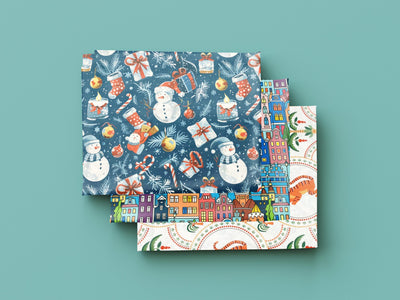
Dress fabric plays a major role in how a garment looks, feels, and wears over time. A dress can have a great design, but if the fabric is wrong, it may feel uncomfortable, hang poorly, or go unworn. Choosing the right dress fabric helps ensure the finished garment is practical, flattering, and enjoyable to wear.
Understanding how dress fabrics behave makes it easier to choose materials that suit everyday wear as well as more polished looks.
Check out our Dress Fabric Collection
Why Dress Fabric Choice Matters
Dress fabrics are worn close to the body, often for long periods. This means comfort, breathability, and movement are just as important as appearance.
A good dress fabric should drape well, feel comfortable against the skin, and suit the style of the dress. Ignoring fabric behaviour often leads to dresses that look good on the hanger but not when worn.
This is a common issue covered in
Beginner Mistakes When Buying Fabric (And How to Avoid Them)
Lightweight vs Medium-Weight Dress Fabrics
Lightweight dress fabrics are popular for warm weather and flowing designs. They create movement and a soft silhouette but may need careful handling.
Medium-weight dress fabrics offer more structure and are often easier to sew. They work well for everyday dresses that need shape without stiffness.
Understanding fabric weight makes this decision easier, which is explained in
How Fabric Weight Affects Drape, Fit and Comfort
Breathability and Comfort in Dress Fabrics
Comfort is one of the main reasons people choose certain dress fabrics. Breathable fabrics help regulate body temperature and reduce discomfort during wear.
Fabrics that allow airflow are especially important for summer dresses and everyday clothing worn for extended periods.
Dress Fabrics That Drape Well
Drape affects how a dress falls and moves. Fabrics with good drape create natural lines and reduce stiffness in the finished garment.
Poor drape can make a dress feel rigid or awkward, even if the fabric looks attractive flat.
Considering drape before choosing fabric leads to better results and fewer unworn garments.
Plain vs Printed Dress Fabrics
Plain dress fabrics are versatile and easy to style. They suit minimalist designs and are less likely to date quickly.
Printed dress fabrics add personality and visual interest. They work best when paired with simple dress shapes so the fabric remains the focus.
Choosing between plain and print depends on how bold or subtle the finished dress should be.
Everyday Dress Fabrics vs Occasion Fabrics
Everyday dress fabrics prioritise comfort, durability, and easy care. These fabrics are designed to be worn often and washed regularly.
Occasion dress fabrics may focus more on appearance and texture. While they look elegant, they are often less practical for frequent wear.
Knowing the difference helps prevent buying fabric that does not suit the intended use.
Sewing Considerations for Dress Fabrics
Dress fabrics vary widely in how they behave when cutting and sewing. Some require careful handling, while others are more forgiving.
Choosing dress fabric that matches your sewing experience helps avoid frustration and improves the final finish.
Dress Fabrics for Long-Term Wear
A dress that feels comfortable and holds its shape is more likely to be worn repeatedly. Fabric choice directly affects how often a garment becomes part of a regular wardrobe.
Selecting practical dress fabrics supports sustainable sewing by encouraging long-term use rather than one-time wear.
Why Dress Fabrics Are Worth Choosing Carefully
Dress fabrics influence fit, comfort, and confidence. A well-chosen fabric enhances the design and makes the garment enjoyable to wear.
Taking time to choose the right dress fabric results in clothing that feels intentional and wearable.
Final Thoughts on Dress Fabrics
Dress fabrics should balance comfort, drape, and practicality. Whether sewing for everyday wear or something more refined, choosing fabric that suits the purpose makes a noticeable difference.
Understanding dress fabric behaviour helps create garments that look good, feel comfortable, and last longer.