

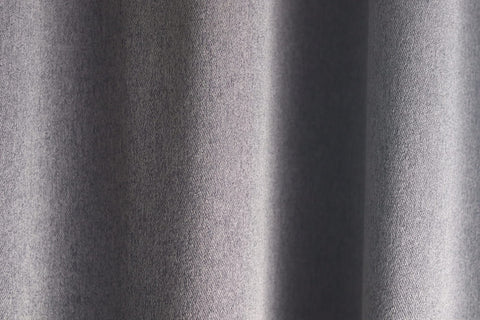
Brushed cotton is cotton fabric whose surface has been brushed (napped) with fine wire brushes to lift the fibre ends into a soft, slightly fuzzy surface. It feels warmer to the touch than smooth cotton and is still breathable.
What is brushed cotton?
Brushed cotton fabrics, sometimes referred to as flannelette, are soft and fuzzy-textured fabrics used for a wide range of winter-ready clothing and bedding.
Brushed cotton is made by mechanically brushing one side of a cotton fabric, usually 100% cotton, with fine brushes to raise the fibres and create a soft and fluffy texture. This is known as a raised nap, and it creates a breathable, soft, warm fabric.
The time it takes to nap the fabric depends on the desired thickness and warmth. A thicker and warmer fabric needs further napping to raise the fibres even more.
Brushed cotton is slightly different to flannelette fabric, which is usually brushed on both sides for a fuzzier and thicker fabric.
What does brushed cotton feel like?
Brushed cotton feels soft, slightly fuzzy and matt. It is warm to the touch rather than cool and crisp.
Cotton poplin, by comparison, is crisp and smooth. Cotton sateen is smooth, cool and slightly shiny, because its weave leaves long yarns lying on the surface. Choose brushed cotton for snug and matt, sateen for cool and silky.
What is the difference between brushed cotton and flannelette?
Whilst brushed cotton is often referred to as flannelette, there are some differences between the two. In UK usage, flannelette is a type of brushed cotton, usually brushed on both sides and often a little heavier. We've broken down the usual differences below in a simple table:
| Brushed cotton | Flannelette | |
|---|---|---|
| Brushed | Usually one side | Usually both sides |
| Thickness | Often thinner | Often thicker |
| Softness | Soft | Very soft |
| Warmth | Warm | Very warm |
| Durability | Varies by weight and quality | Varies by weight and quality |
| Price | Varies by weight and quality | Varies by weight and quality |
| Most suitable for | Shirts, pyjamas, bed sheets, loungewear, baby clothes | Blankets, sheets, nightwear, winter coats and linings |
Both are warm fabrics, but they are great for different things. If you're after a more lightweight winter fabric, brushed cotton will be great. If you're looking for a heavier and warmer winter fabric, flannelette will be more suitable.
Be aware that shops and labels use these names loosely. Some sellers call any brushed cotton "flannelette", and some fabrics sold as brushed cotton are napped on both sides. You may also see "flannel". Flannel was traditionally a soft wool cloth, but today the word often means a brushed cotton twill, particularly in US usage, such as the checked fabric used for lumberjack-style shirts.
Is brushed cotton warmer than regular cotton?
Yes. The raised fibres on the surface trap a thin layer of air next to your skin. Still air is a good insulator, so brushed cotton feels warmer and less chilly than smooth, unbrushed cotton of a similar weight. Because it is still cotton, it stays breathable and lets moisture escape, so you are less likely to feel clammy.
It is not as warm as polyester fleece, which has a much thicker, lofted pile. It is lighter and more breathable, though. Brushed cotton suits:
- Cold bedrooms, where crisp cotton sheets feel icy at bedtime.
- People who overheat or sweat under fleece and synthetic bedding.
- Winter pyjamas, nightshirts and loungewear.
What is brushed cotton used for?
Brushed cotton is great for a variety of cold-weather clothing, pyjamas and bedding.
Its one-sided brushed texture helps to trap warmth effectively and keep whoever's wrapped up inside cosy and comfortable. The fabric is also breathable, allowing air to circulate to prevent overheating.
Looking to buy? As well as brushed cotton, have a look at our winter fabrics for pyjamas, blankets and cold-weather clothing. For more ideas, our guide to the best fabrics for winter sewing compares brushed cotton with wool, fleece and corduroy, and our round-up of fabrics for loungewear covers comfortable everyday clothes.
What is brushed cotton bedding?
For bedding, brushed cotton is a good choice as it offers the best of both worlds in terms of heat retention and breathability. Cotton is a natural fibre that most people find comfortable next to the skin. Anyone with a skin condition such as eczema should check the fibre content and follow their own medical advice.
If you're looking to make your own bed sheets or quilts, check out our range of brushed cotton bedding fabric, available in 3-metre rolls in varying colours and patterns.
Brushed cotton bedding and sheets: what to look for
Brushed cotton bedding gives you warmth without the clamminess that some people find with polyester or microfibre bedding, because the cotton absorbs moisture and lets your skin breathe. Points to check:
- Width. Standard dressmaking fabric is often around 110 to 150cm wide, which means joining panels for a double or king-size sheet. Wide sheeting fabric is woven wider, so a flat sheet or duvet cover can be cut in one piece. Always check the width on the listing.
- Quantity. Bedding uses a lot of fabric, so it is worth looking at the brushed cotton multi-buy deal if you are making a full set.
- Shrinkage allowance. Brushed cotton shrinks, so buy a little extra and pre-wash it before cutting (see the care section below).
For summer, or for anyone who sleeps hot all year round, cotton sateen is the better bedding choice: smooth, cool and slightly shiny.
What can you make with brushed cotton?
The table below gives typical metreage and worked price examples at indicative rates. These figures are typical only: your pattern, size and the fabric width all change the amount, so always check your pattern and the listing.
| Project | Typical metreage | Worked price example |
|---|---|---|
| Adult pyjama trousers | About 2m at 150cm wide | At £3/m, 2m is £6; at £5/m, £10 |
| Pyjama shirt | About 2 to 2.5m | At £3/m, 2.5m is £7.50; at £5/m, £12.50 |
| Lumberjack-style shirt | About 2 to 2.5m | At £3/m, 2.5m is £7.50; at £5/m, £12.50 |
| Baby blanket | About 1m | At £3/m, 1m is £3; at £5/m, £5 |
| Pair of pillowcases | About 1.2m | At £3/m, 1.2m is £3.60; at £5/m, £6 |
| Cot sheet | About 1m | At £3/m, 1m is £3; at £5/m, £5 |
| Lined winter scarf | About 0.5m | At £3/m, 0.5m is £1.50; at £5/m, £2.50 |
These are worked examples, not current prices. Prices vary by range and change over time. For checked shirts, add extra fabric if you want to match the pattern across the fronts and pockets. For baby blankets and cot bedding, follow current safe sleep guidance from the NHS or the Lullaby Trust.
How to sew brushed cotton
Is it easy to sew with brushed cotton?
Cotton is one of the easiest fabrics to sew with, and that includes brushed cotton. As is the case with all fabrics, you should take care when sewing to avoid damaging the material.
Brushed cotton is a stable woven fabric that does not slip about, so it is a good choice for a first pair of pyjamas. A few habits help:
- Pre-wash first. Wash the fabric at the temperature you will use for the finished item, because brushed cotton shrinks.
- Use a "with nap" layout. The nap has a direction, and it can look slightly lighter or darker depending on which way it lies. For larger projects, use a one-way ("with nap") layout so every piece points the same way.
- Needle and thread. A universal 80/12 needle and polyester all-purpose thread suit most brushed cottons.
- Stitch length. A standard straight stitch of about 2.5mm works well.
- Finish the seams. Brushed cotton frays, so finish raw edges with a zigzag stitch or an overlocker.
- Press gently. Use a medium-hot iron with light pressure, ideally on the wrong side, so you do not flatten the nap.
- Keep the machine clean. The raised fibres shed lint, so clear the bobbin area often, especially on bigger projects.
How to wash and care for brushed cotton
Check the care instructions on the listing, then follow these general rules:
- Wash at 30 to 40°C, inside out, with similar colours.
- Line dry, or tumble dry on a low heat. High heat increases shrinkage and wears the nap faster.
- Expect some early pilling and lint. This is normal, and a fabric shaver tidies up any bobbles.
- Go easy on fabric softener. Heavy use can coat the fibres and flatten the nap, so the fabric feels less fluffy over time.
Cotton yarns are held under tension during weaving and finishing, and washing and heat let them relax and draw up, which is why pre-washing matters. Our guide to why some fabrics shrink explains more.
What are the advantages of brushed cotton?
The quality and feel of brushed cotton will vary depending on how long it's been brushed for.
| Advantages | Disadvantages |
|---|---|
| Very soft and comfortable | Bulky |
| Warmth | Shrinkage and pilling |
| Breathable | Costs more than unbrushed cotton of the same weight |
| Absorbent | Requires good maintenance |
| Versatility | Holds lint and fluff, so the nap can flatten with wear |
Is brushed cotton the same as 100% cotton?
There is a difference between brushed cotton and 100% cotton. Brushed cotton is usually made from 100% cotton, but brushed polycotton (a cotton and polyester blend) also exists, so check the listing. Brushed cotton is simply any cotton fabric that has been brushed to raise the fibres and create a soft, napped finish. If you are weighing up a blend, our guide to cotton vs polycotton explains how the two differ, and our guide to cotton fabric covers the fibre itself.
Is brushed cotton eco-friendly?
Brushed cotton, like all cotton, is a natural, biodegradable fibre and is generally considered a more eco-friendly choice than synthetics. However, you should check the fabric composition as it can sometimes be blended with synthetic fibres such as polyester and nylon, which are less good for the planet.
At Poundametre, we sell a wide range of 100% pure brushed cotton. Check each listing for width and fibre content before you order.
Frequently asked questions
Is brushed cotton the same as flannelette?
Very nearly. In the UK, flannelette is a type of brushed cotton. It is usually brushed on both sides and is often a little heavier, while brushed cotton is more often brushed on one side. Shops and labels use the two names loosely, so read the description for the weight, fibre content and which sides are brushed.
Is brushed cotton warmer than regular cotton?
Yes. The brushed surface lifts the fibre ends into a fine fuzz that traps a thin layer of air, so it feels warmer and less chilly against the skin than smooth cotton. It is still breathable, which makes it a good middle ground between crisp cotton sheets and much warmer polyester fleece.
What is brushed cotton bedding?
Brushed cotton bedding is sheets, duvet covers and pillowcases made from cotton with a raised, napped surface. It feels soft and warm as soon as you get into bed, rather than cool and crisp. It is popular in UK winters and suits people who find synthetic bedding too hot or clammy.
Does brushed cotton shrink?
Yes, brushed cotton can shrink, especially in its first wash and if it is dried on a high heat. Pre-wash the fabric at the temperature you will use for the finished item before cutting, and buy a little extra to allow for it. After that, washing at 30 to 40°C and drying on low keeps it stable.
Does brushed cotton pill?
Some pilling is normal, particularly in the first few washes, as the loosest raised fibres work free and form small bobbles. It usually settles down over time. Washing inside out, avoiding very hot tumble drying and using a fabric shaver when needed will keep brushed cotton looking tidy for longer.
Can you use brushed cotton in summer?
You can, as it is breathable, but most people find it too warm for summer nights and hot days. It is at its best from autumn to spring. For summer bedding or clothes, a smooth, cool cotton such as sateen, poplin or lawn is usually more comfortable.
1 comment
Wow that’s awesome thank you xx